
"washed Limu"
600 article(s) found

An introduction to the characteristics of the flavor description of the citrus-flavored Sidamasha Chiso producing area in Ethiopia
Ethiopia grows coffee in different climatic zones, so it has more than 140 farm varieties, and fresh coffee is produced all the year round. The quality of Ethiopian coffee varies according to different elevations and regional ecological environment. The Harar coffee in the southeast highland is a typical Muha coffee with a strong flavor; the coffee produced in the southwest Wollega has a rich fruity flavor; Limu coffee

Ethiopia Xiachisuo coffee flavor description processing method grinding scale varieties taste introduction
Ethiopia Xiachisuo producing area coffee flavor description processing method grinding scale variety taste introduction 1, Limu coffee grows between 1400 meters and 2000 meters above sea level. washed coffee. Excellent quality, with intense nutty aromas, moderate acidity and wine intensity. Annual production of 29,000 tons. Gima coffee grows between 1400 and 1800 meters above sea level. Sunburn coffee.

Introduction of Yega Coffee Coffee (Kore) processing Plant introduction of Yega Coffee flavor
Professional coffee knowledge exchange more coffee bean information please follow the coffee workshop (Wechat official account cafe_style) there are eight major producing areas in Ethiopia: Ekempti, Limu, Illubabor, Djimma, Harrar, Teppi/Bebeka, Sidamo, Yirgacheffe. Yirgacheffe is located in the Gedeo region of southern Ethiopia.

A brief introduction to the Flavor, Taste and aroma characteristics of Fine Ethiopian Coffee beans
Ethiopia grows coffee in different climatic zones, so it has more than 140 farm varieties, and fresh coffee is produced all the year round. The quality of Ethiopian coffee varies according to different elevations and regional ecological environment. The Harar coffee in the southeast highland is a typical Muha coffee with a strong flavor; the coffee produced in the southwest Wollega has a rich fruity flavor; Limu coffee

Ethiopian Banci Maggie Coffee Flavor Description Grindness Taste Characteristics Variety
1. Limu coffee grows between 1400 meters and 2000 meters above sea level. washed coffee. Excellent quality, with intense nutty aromas, moderate acidity and wine intensity. Annual production of 29,000 tons. Gima coffee grows between 1400 and 1800 meters above sea level. Sunburn coffee. Slightly sour, nutty and long finish. Annual production of 70,000 tons. 3. Gambi Coffee
A brief introduction to the Origin and Development of Flower-scented Apricot Coffee beans in Ethiopia
Ethiopia grows coffee in different climatic zones, so it has more than 140 farm varieties, and fresh coffee is produced all the year round. The quality of Ethiopian coffee varies according to different elevations and regional ecological environment. The Harar coffee in the southeast highland is a typical Muha coffee with a strong flavor; the coffee produced in the southwest Wollega has a rich fruity flavor; Limu coffee

Ethiopian Coffee Farm single Bean Farm what are the suggestions for Ethiopian single Bean Baking
Professional baristas Please pay attention to Coffee Workshop (Wechat official account cafe_style) LIMU Lim produces amazing coffee even without the reputation of Hidamo and Yegashev. Most of the areas are small farmers, but there are also some large estates belonging to the government. Altitude: 1400-2200m harvest: November January varieties: Heirloom HARRAR this area is surrounded by ha

The relationship between Sidamo and Yega Xuefei A brief introduction to the characteristics of coffee in Yega Xuefei producing area
Professional coffee knowledge exchange more coffee bean information please follow the coffee workshop (Wechat official account cafe_style) Qianjie Coffee-A brief introduction to the relationship between Yegashifi and Sidamo Ethiopia is a historical and traditional agricultural country with a history of coffee origin. The origin of the name coffee is located in the southwestern province of Kafa, while the south is the main producing area of Sidamo. Yejia Xuefei

Introduction to the characteristics of the method of grinding degree treatment for Ethiopian coffee with rich alcohol thickness
Ethiopia produces between 200000 and 250000 tons of coffee each year. Today, Ethiopia has become one of the largest coffee producers in the world, ranking 14th in the world and fourth in Africa. Ethiopia has a unique flavor that is different from other flavors and provides customers all over the world with a wide range of taste choices. In the southwest of Ethiopia

What's the taste of Kochel's coffee? how do you brew it?
Professional baristas please follow the coffee workshop (Wechat official account cafe_style) Kochere Kochel is located in southwest Ethiopia, 25 miles to the north is the famous town of Yegashifen, the production model is based on local small farmers to send the output batches to the cooperative for unified processing. About 100000 people in the local village of Chalalacktu depend on coffee for a living, and the related production activities become

World-famous Ethiopian Coffee
Following Cafe Review (Wechat official account vdailycom) found that Beautiful Cafe opened a small shop of its own. The world-famous Ethiopian coffee mainly has: 1. Limu coffee grows between 1400 meters and 2000 meters above sea level. Wash the coffee. Excellent quality, with strong nut aromas, suitable acidity, with the intensity of wine. The annual output is 29000 tons. 2. Jima Coffee growth
What is semi-washed Coffee beans semi-washed Coffee beans Refining semi-washed Yega Shevico
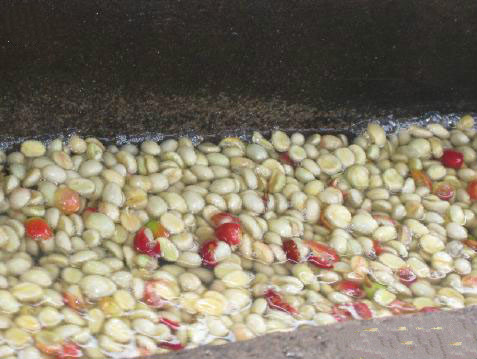
Sun drying: the sun drying method is also called natural drying because it uses natural sunlight to dry the fruits and raw beans of coffee. Due to the use of artificial and natural treatment methods in the process, the sun-cured beans look irregular and unflattering in appearance. Washing coffee bean treatment method Coffee beans harvested must immediately enter the treatment program, otherwise they will begin to ferment and make coffee
Ethiopian boutique coffee introduces Ethiopian boutique coffee to grow African Arabica coffee
Ethiopia is one of the major producers of Arabica coffee in Africa, producing the best Arabian coffee in the world. It is said that coffee was first discovered by shepherds in Essekafa, and the name of coffee evolved from Kafa, so Essex is still the hometown of coffee. The geographical environment of coffee production and processing is very suitable for coffee growth. Coffee is mainly cultivated.

What are the suggestions for baking single bean in Shaqisuo area?
For the exchange of professional baristas, please follow the coffee workshop (Wechat official account cafe_style) □ Ethiopia District is divided into four levels, the order from large to small is Region, Zone, woreda, kebele. Most of the names of raw coffee beans follow this rule. This Guji / Shaquiso is located in the southeast of Yejia Sheffield, a well-known producing area, and is subordinate to the division of administrative regions.

Description of Flavor characteristics of World famous Ethiopian Coffee producing area
The world-famous Ethiopian coffee is mainly: Limu Coffee: grows between 1400 and 2000 meters above sea level. Wash the coffee. It has a strong nutty aroma, suitable acidity and the intensity of wine. Gima Coffee: grows between 1400 and 1800 meters above sea level. Sun-baked coffee. Slightly sour, with nutty aromas and a long finish. Gamby coffee: grows between 1500 and 2300 meters above sea level

Does Ethiopia's single bean taste good? the planting and processing of Ethiopia's single bean
Communication of professional baristas Please follow the coffee workshop (Wechat official account cafe_style) at present, there are two main indicators in Ethiopia's coffee grading and quality control system: visual inspection and cup evaluation, inspection items include the color, cleanliness, origin, taste and characteristics of coffee beans. The export rating is marked with a simple number, the best washed coffee is grade 5, and the best sun-cured coffee

What are the suggestions for Ethiopian single bean baking in Ethiopia's single bean farm?
Professional baristas Please pay attention to the coffee workshop (Wechat official account cafe_style) because of the different planting methods, coffee can be divided into three types: forest-semi-forest coffee (Forest or semi-forest coffee), courtyard coffee (Garden coffee) and plantation coffee (Plantation coffee). 60% of the coffee belongs to forest-semi-forest coffee. In such a wild place

Taste characteristics of Ethiopian Coffee Flavor description treatment
Ethiopia's geographical environment is very suitable for coffee growth. Coffee is mainly grown in the southern highlands between 1100 and 2300 meters above sea level. The main coffee producing areas are Harar, Limu, Djimma, Sidamo, Kaffa, Yergacheffe and Wellega. The soil drainage in these areas is good.

What are the characteristics of coffee beans in Gujiso producing area? how much is the coffee in Shaqiso producing area?
For the exchange of professional baristas, please pay attention to the coffee workshop (Wechat official account cafe_style) what are the characteristics of coffee beans in Gujiso producing area? the Ethiopian administrative region is divided into four grades, from big to small, the order is Region, Zone, woreda, kebele. Most of the raw coffee beans are named according to this rule.

Introduction to the production area of roasting degree and Flavor description of Ethiopian Honey Kiss Yega Chuefei Coffee
Description of the roasting degree and flavor of Ethiopian honey kiss Yega Xuefei coffee 1. Limu coffee grows between 1400 meters and 2000 meters above sea level. Wash the coffee. Excellent quality, with strong nut aromas, suitable acidity, with the intensity of wine. The annual output is 29000 tons. 2. Jima Coffee grows between 1400 and 1800 meters above sea level. Sun-baked coffee. Micro acid